


Fun Dog Portraits: 8 Styles to Try in 2026
Your phone is full of your dog's best moments: the crooked head tilt, the sofa takeover, the expression that appears whenever you open a snack. You'd love to do something with those pictures, but another framed snapshot doesn't quite feel right. You want a portrait with personality, something that belongs in your home and makes a thoughtful gift.
Fun dog portraits combine a recognizable face with a creative idea. A poker-table scene turns a skeptical expression into a joke. A pop art treatment makes distinctive markings part of the room's color palette. A matching portrait celebrates the relationship rather than the costume. You can also bring pet portraits to life for a digital companion to your printed keepsake.
The important choice isn't which effect looks funniest. It's which style suits your dog, your available photo, and the finished product. Each approach below includes a practical staging method, an honest trade-off, and a way to make the image work on Custom Photo Blankets or other everyday keepsakes. For Mother's Day gifting in April and May, especially, choose an image that feels personal to the recipient rather than an elaborate theme they wouldn't normally display.
1. Anthropomorphic Dogs Playing Poker
A dog with a naturally suspicious expression hardly needs acting lessons to become a card-table regular. Anthropomorphic portraits place dogs in human situations, using their real expressions as the punchline. Cassius Marcellus Coolidge's Dogs Playing Poker paintings provide the familiar reference, but your version can feature your own dog, an owner's photograph, and a favorite game-room setting.
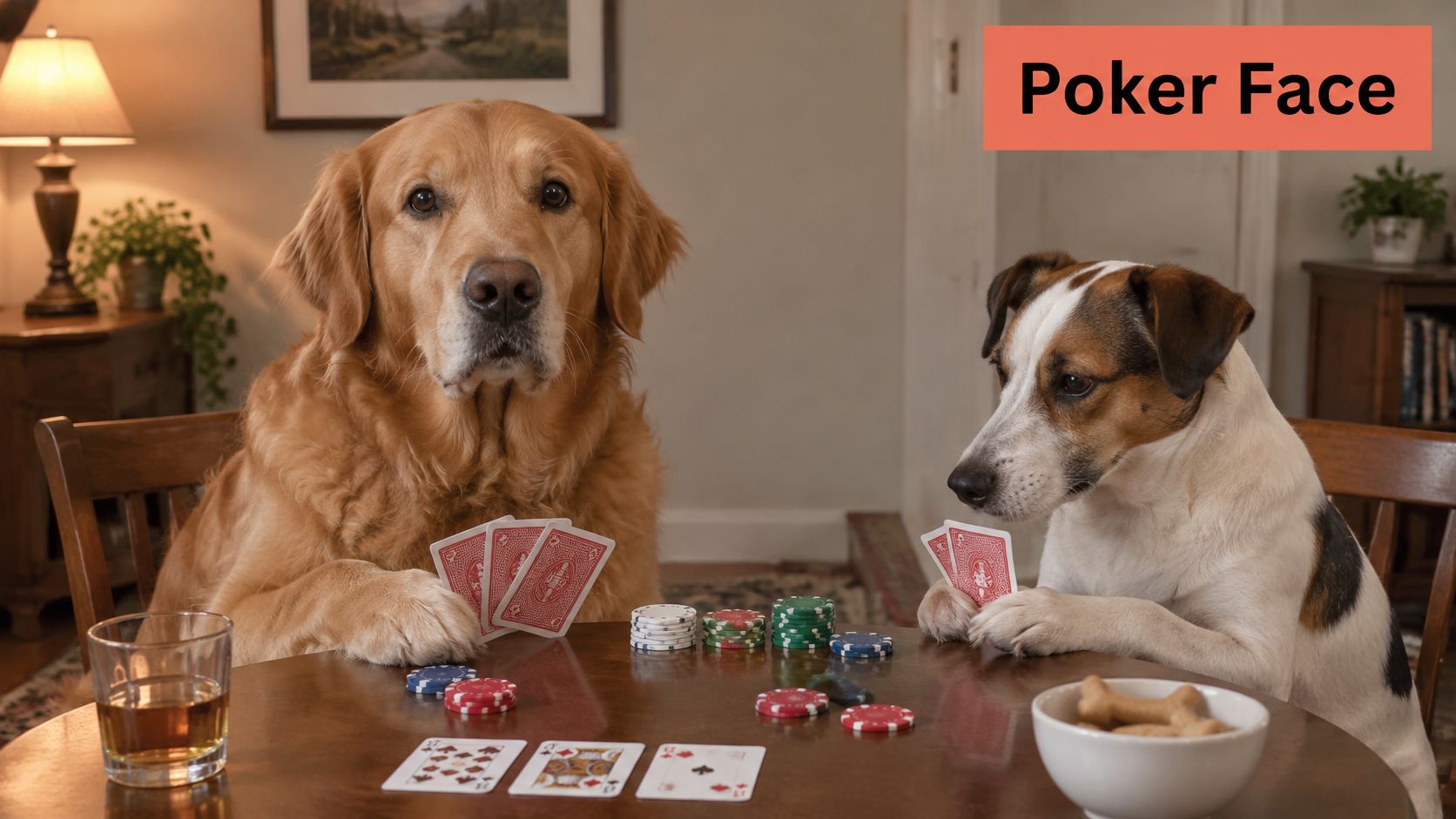
Photograph the dog comfortably seated on the floor, then build the table scene around that portrait digitally. This avoids balancing a pet on furniture or leaving cards and chips within chewing distance. Hold a treat near the lens for an attentive gaze, or use a familiar sound if your dog enjoys it.
Make the Joke Read at Blanket Scale
A bow tie, a card-table edge, and a knowing expression are enough. Tiny playing-card details won't carry the image when the blanket is draped over a chair.
- Best use: A den or game-room throw featuring the dog as the family's poker champion.
- Main trade-off: Elaborate composites can look pasted together if the face and background have different lighting.
- Print treatment: Choose broad shadows and a restrained painted texture; for a paper reproduction, a matte finish suits the oil-painting effect.
Anthropomorphism can attract attention, but engagement isn't a reason to push a costume: a University of Auckland study of companion-animal Instagram content found average likes of 331.01 for anthropomorphic posts versus 234.70 for naturalistic posts, with dogs among the species showing that pattern. Your keepsake still needs to look like your dog, not merely a clever scene.
2. Pop Art Pet Portrait
Pop art works best when the silhouette is unmistakable. Upright ears, a white muzzle, or a strong facial patch give the simplified image structure. The flat colors and repeated compositions associated with Andy Warhol's silkscreen style can turn an ordinary headshot into a deliberate décor choice.
Start with a sharp photograph against an uncluttered background. Side lighting can create useful shapes, but deep shadows across the eyes make it harder to simplify the face without losing expression. If you create cartoon portraits from photographs, compare the result against the original before accepting changes to the ears, nose, or markings.
Coordinate the Palette Before Editing
For a living room with teal cushions and mustard accents, repeat those colors around a cream-colored dog rather than introducing an unrelated rainbow. Our pop art dogs guide offers another way to consider the relationship between the portrait and its setting.
A repeated grid suits a blanket because the dog remains visible across different folds. A single oversized face feels calmer, particularly in a room that already has patterned upholstery.
Design rule: Simplify the background before simplifying the features that make your dog recognizable.
The main compromise is realism. A color-block portrait won't preserve every strand of fur, and subtle expressions can disappear under aggressive contrast. For a graduation gift, a collage-style throw using a favorite dog in coordinated color treatments can feel playful without looking like nursery décor.
3. Renaissance Royal Dog Portrait
A velvet cape, a decorative collar, and a solemn gaze can make the household sock thief look remarkably distinguished. The humor comes from the contrast, so you don't need a crowded throne room or a heavy costume. A deep green background and soft directional light usually provide enough ceremony.
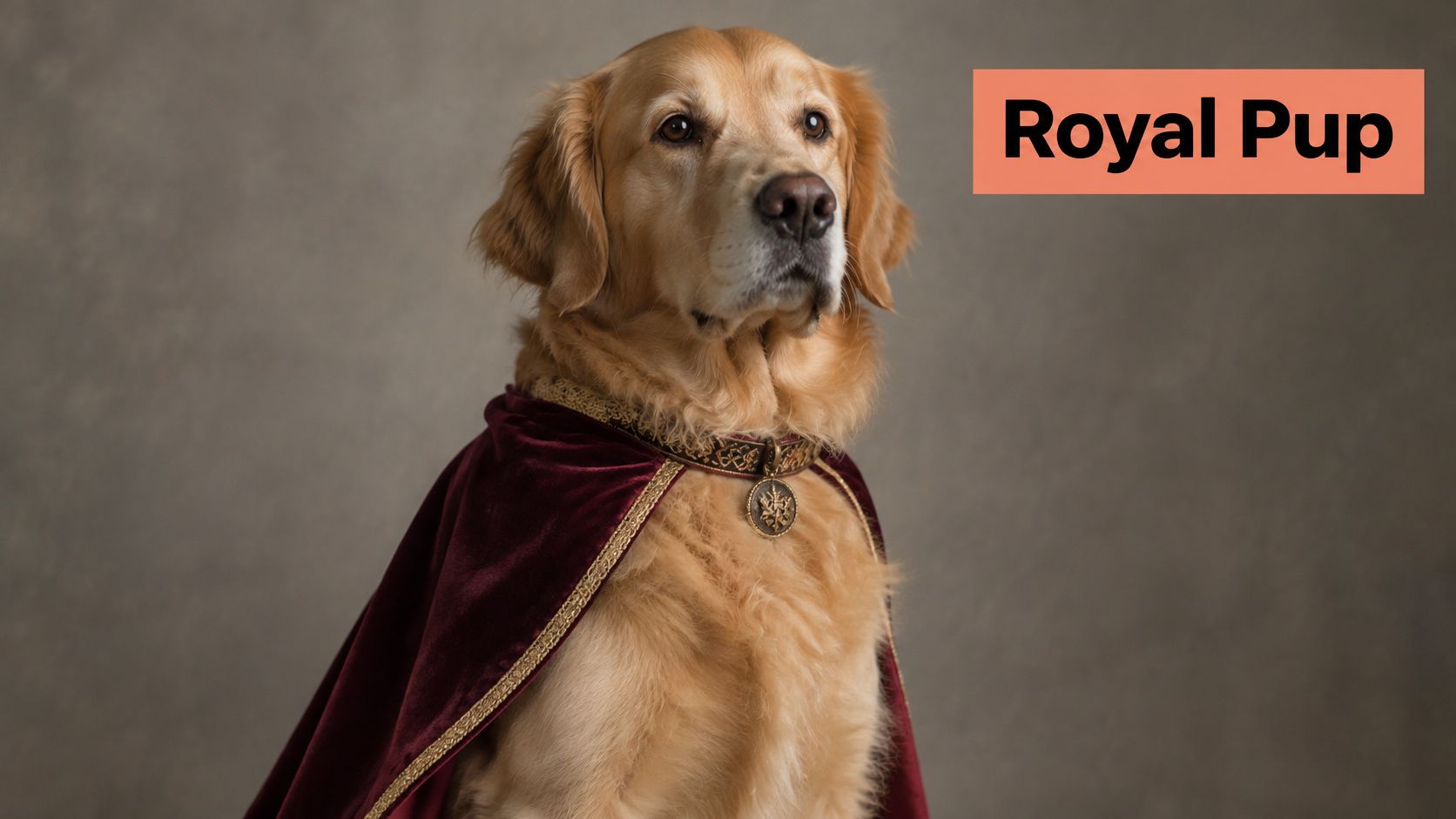
Place your dog beside a window, with its face angled slightly toward the light. Photograph from eye level rather than looking down, and leave space around the ears for an illustrated collar or cape. A digital costume is the better choice if your dog dislikes fabric around its shoulders.
Keep the Royal Treatment Comfortable
Veterinary guidance from Virginia Tech recommends familiar surroundings, gradual camera acclimation, and stopping when pets show fear or avoidance. Flattened ears, freezing, attempts to escape, and excessive panting are reasons to abandon the setup, not work harder for the shot.
- Use a light accessory: Test it away from the camera first, without restricting movement.
- Preserve the expression: Don't replace a familiar relaxed face with artificially narrowed eyes.
- Lift dark details: Separate black fur from a dark backdrop with soft side light.
For a grandparent's formal sitting room, a royal portrait blanket can pair a richly colored central image with a quieter border. The trade-off is tonal heaviness: too much dark fabric and painted shadow can obscure the dog when the throw is folded. Keep the face brighter than its surroundings.
4. Superhero Dog Portrait
Your dog doesn't need to leap across anything to look heroic. A low camera position, an upright stance, and a confident expression can create the effect while every paw stays safely on the ground.
A bright cape and a clear silhouette establish the concept immediately.
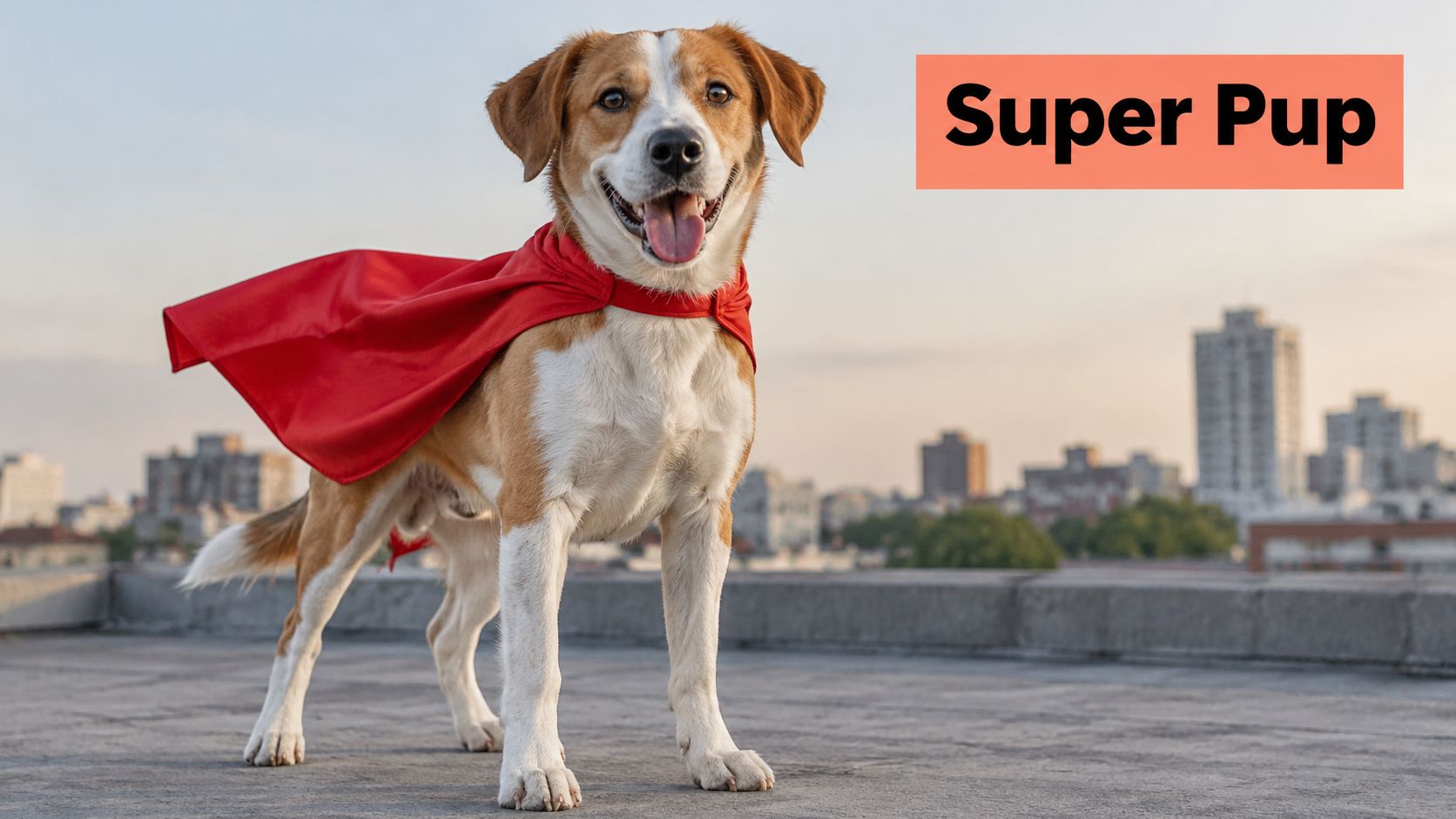
Photograph on a nonslip surface and add the skyline later. Use a lightweight, adjustable pet cape only if your dog tolerates it; avoid face-covering masks and never use a real rooftop as a set. For dogs that won't stay still, Canon's pet photography guidance emphasizes soft natural light, focusing on the nearest eye, and faster shutter speeds for active subjects.
Build a Personal Hero Identity
Use the dog's name or initial inside an original comic-style emblem. That makes the portrait personal without depending on a recognizable entertainment character.
For a child's bedroom, pair the dog's portrait with the child's photograph in a coordinated comic-panel layout. Keep lettering bold and away from the blanket edges, where folds can hide it. The trade-off is visual noise: speed lines, buildings, speech bubbles, and lightning effects can overwhelm the face.
This video provides a companion to the superhero theme.
A superhero Custom Photo Blanket works well as a birthday gift when the dog remains the main character. Let the emblem support the portrait rather than compete with it.
5. Vintage Victorian Dog Portrait
For a calm senior dog, a familiar chair and gentle window light may produce a better portrait than any costume. Vintage Victorian styling favors atmosphere over spectacle: muted browns, velvet textures, a formal pose, and a subtle vignette.
Choose a chair your dog can reach safely, or arrange a floor-level cushion against a plain backdrop. A north-facing window can provide soft light, although any window with indirect illumination will work. Turn off nearby lamps if they cast a different color across the coat.
Age the Finish, Not the Face
Apply sepia gently enough that the eyes and muzzle remain distinct. A slight vignette can guide attention inward, but heavy grain, blurred fur, and artificial cracks can make an image look damaged rather than heirloom-like.
- Preserve detail: Keep the eyes sharp even when the surrounding treatment is soft.
- Control the setting: Remove modern distractions such as cables, bright toys, and reflective packaging.
- Choose the right crop: Include enough chair to establish the parlor setting without shrinking the dog.
For a mother who keeps family photographs and inherited furniture, this can become a sentimental Mother's Day blanket rather than a novelty gift. A warm cream border helps the image sit comfortably beside traditional upholstery.
The compromise is that sepia suppresses coat color. If a dog's red fur or distinctive gray patches are central to its appearance, use muted natural color instead. A vintage portrait should still feel like the pet your family knows.
6. Dog and Owner Matching Portrait
Matching portraits don't require identical outfits. A shared color, mirrored head tilt, or coordinated black-and-white treatment can express the relationship more naturally than dressing everyone in the same pattern.
That emotional connection has a clear foundation: the American Veterinary Medical Association reports that 88.8% of dog owners regard their dog as a family member. Treat the photograph as a family portrait, with equal attention to both faces.
Match the Mood Before the Clothing
Have the owner sit on the floor or a stable low seat so their face is closer to the dog's eye level. Position them beside each other rather than placing the dog far forward, which can make its head look disproportionately large. A phone timer or a helper lets the owner interact instead of reaching toward the camera.
- Subtle coordination: Pair a blue shirt with a blue collar rather than forcing a dog into clothing.
- Mirrored portraits: Photograph each subject against the same background if a shared pose isn't practical.
- Meaningful styling: Use a favorite walking jacket or familiar blanket to connect the portrait to everyday life.
For April–May Mother's Day gifting, a mom-and-dog portrait makes a particularly personal keepsake. Our gift ideas for dog owners can help you think about the recipient's habits as well as the image.
On a blanket, keep both faces near the central area. The trade-off is coordination: a flattering expression for the owner doesn't always coincide with the dog's best moment, so capture relaxed interactions rather than demanding simultaneous smiles.
7. Festive Holiday Dog Portrait
A red knit sweater beside a decorated tree communicates the season without much explanation. For November and December gifting, this is the style to prioritize, particularly when the recipient enjoys bringing out the same decorations each winter.
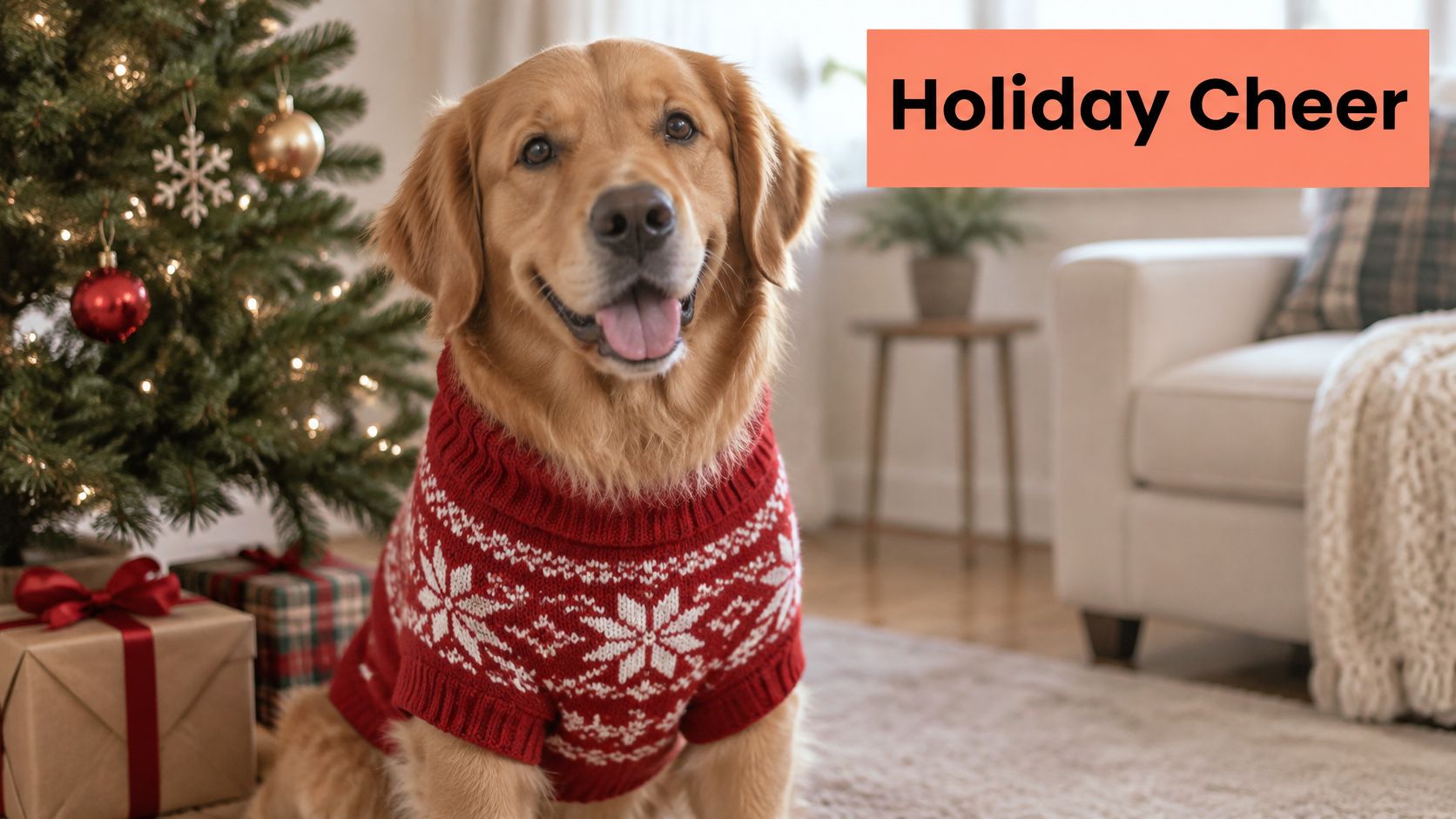
Arrange the dog away from cords, breakable ornaments, and accessible decorations. Keep a comfortable distance from the fireplace, and use window light to illuminate the face while the fire or tree lights provide background warmth. Firelight alone can leave the eyes too dark or introduce motion blur.
Create a Gift, Not Just a Holiday Card
A card can accommodate small seasonal lettering; a blanket benefits from a larger face and fewer words. A scarf may also be easier to manage than a Santa hat that slips over the eyes.
A holiday portrait should look festive even after you remove the text. Let the color palette and setting do most of the work.
Schedule the shoot early in November and leave room to retake an unsuccessful image. A festive Custom Photo Blanket can work as a thoughtful last-minute holiday gift, with free shipping and printing typically completed within 2–3 business days, but production time isn't the same as arrival time.
The limitation is seasonal use. If the recipient wants a year-round throw, photograph the same setup without the sweater and visible decorations. Warm wood, a plain scarf, and soft background lights can keep the cozy feeling without tying the portrait to Christmas.
8. Space Explorer Dog Portrait
A convincing space portrait starts with an ordinary, comfortable dog photograph. Photograph your pet against a plain background, then add the galaxy, suit, and illustrated spacecraft afterward. This approach gives you more control and avoids enclosing the dog's head in an unfamiliar prop.
For a science-loving child, a silver suit treatment and a restrained star field can turn the family dog into a mission companion. Match the direction of any illustrated planet glow to the light already falling across the face.
Keep the Dog More Prominent Than the Galaxy
A bright nebula behind pale fur can erase the outline, while black fur may disappear against deep space. Use a contrasting halo or a quieter patch of background around the ears rather than sharpening the cutout excessively.
- Safer styling: Choose a familiar collar or lightweight accessory instead of a rigid helmet.
- Cleaner editing: Add subtle stars around the subject, not across the eyes and muzzle.
- Better personalization: Use the dog's name as a mission badge, with lettering large enough to read.
The main trade-off is authenticity. If editing changes the shape of the snout or invents fur around a helmet opening, the portrait can lose its emotional value. Check those boundaries against the original photograph.
A space-dog portrait paired with a star-map motif can make a distinctive birthday blanket for a child's bedroom. For nursery styling, coordinate the artwork with the room, but keep decorative throws out of an infant's sleep space. The keepsake can belong on an adult's chair instead.
9. Choosing Your Style With a Quick Analysis Framework
Choose the destination before the effect. A dramatic royal portrait may suit a formal hallway, while a colorful superhero dog belongs more naturally in a child's room. Your dog's comfort should narrow the options before you buy props.
The best style fits the dog, the recipient, and the place where the finished portrait will live.
Ask These Questions Before Shooting
- Who is it for? A mom who treasures family photographs may prefer a matching portrait to a poker parody.
- Where will it live? Check the room's accent colors and whether the blanket will usually be spread out or folded.
- What is the deadline? Leave time for photography, editing, photo review, production, and delivery.
A calm senior dog might suit a floor-level Victorian setup for a traditional home. A lively terrier may be better photographed naturally and transformed into a superhero afterward. Neither dog needs to perform an unsuitable pose.
The quick trade-off: graphic styles tolerate simplified detail but change the photograph's realism; painterly styles create atmosphere but can muddy dark coats; matching portraits preserve relationships but require more coordination.
Use our dog photo blanket guide when deciding how the portrait should occupy the finished layout. Book costume-based sessions several weeks before gifting, allowing an alternative if the dog dislikes the setup.
For November–December, prioritize holiday gifts and order early. For April–May, plan matching portraits ahead of Mother's Day, especially if the recipient needs to participate in the photograph.
8 Fun Dog Portrait Styles at a Glance
| Style | Mood & Aesthetic | Difficulty to Stage | Best For | Décor Fit |
|---|---|---|---|---|
| Anthropomorphic Dogs Playing Poker | Humorous, mock-vintage, warm and theatrical | Challenging; props and a restless dog can complicate the pose | Game rooms, dog lovers, and playful gifts | Men's dens, game rooms, casual spaces |
| Pop Art Pet Portrait | Bold, graphic, bright, and contemporary | Easy; starts with a sharp photo and color choices | Modern interiors and high-impact gifts | Contemporary décor; less suited to formal rooms |
| Renaissance Royal Dog Portrait | Regal, dramatic, and playfully dignified | Moderate; requires a comfortable costume and careful lighting | Elegant keepsakes and humorous family portraits | Formal sitting rooms; dark tones may feel heavy in small rooms |
| Superhero Dog Portrait | Energetic, colorful, and comic-book inspired | Moderate; costume comfort and posing may take patience | Children, families, birthdays, and gotcha days | Kids' bedrooms and playful spaces |
| Vintage Victorian Dog Portrait | Nostalgic, sentimental, and heirloom-like | Moderate to challenging; antique-style props and soft lighting help | Traditional homes and gifts for older relatives | Traditional and farmhouse-style rooms |
| Dog and Owner Matching Portrait | Warm, personal, and coordinated | Challenging; requires balancing two subjects and photo sets | Meaningful family keepsakes and gifts | Bedrooms, family galleries, and paired displays |
| Festive Holiday Dog Portrait | Cozy, cheerful, and seasonal | Easy to moderate; simple props work, but snow depends on weather | Holiday cards, November–December gifts, and family keepsakes | Seasonal displays and cozy living spaces |
| Space Explorer Dog Portrait | Whimsical, imaginative, and celestial | Moderate to challenging; costumes and background editing may be needed | Children, science fans, and birthday gifts | Kids' rooms, nurseries, and celestial-themed spaces |
| Choosing Your Style: A Quick Analysis Framework | Practical, reflective, and decision-focused | Easy; requires assessing temperament, décor, recipient, and timing | Anyone narrowing down a portrait style | Match the chosen portrait to its display location and room palette |
From Fun Dog Portrait to Keepsake With a Practical Plan
Pick the style you can execute comfortably, not the one with the most elaborate effects. A recognizable expression, clean lighting, and a thoughtful crop will usually give you more to work with than a complicated scene photographed in poor conditions. Start with a favorite existing image if it already captures the dog's personality.
Capture, Review, Then Commit
Photograph at your dog's eye level in soft natural light, leaving breathing room around the ears and chest. Capture a short burst when the expression appears, then stop before your dog becomes frustrated. For an older dog or a pet with mobility limitations, bring the background to its resting place rather than moving it into a demanding pose.
Review the original file before applying a strong filter. Check the eyes, distinctive markings, and edges of the muzzle; enhancement should preserve those features rather than invent replacements. Export the finished image at its full available resolution instead of saving a screenshot.
Print suitability depends on the final image size and viewing distance, not merely how sharp a thumbnail looks: the SAIC Service Bureau's resolution guidance explains why close-viewed prints require more pixel density than images seen from farther away. For a blanket, also consider what happens when folds conceal the edges.
Turn the Portrait Into Something Useful
That Blanket Co offers a way to transform your finished portrait into a gallery-quality custom photo blanket. Personalized photo blankets receive 20% off automatically at checkout, so you don't need to enter a discount code.
If you're unsure which photograph will print well, email the candidates to support@thatblanket.co. We provide free feedback within 24 hours on which photos are suitable, which may need adjustments, and why, with no commitment required.
Creating a blanket takes three simple steps:
- Choose the format: Select your layout and blanket size.
- Upload the artwork: Add your finished portrait or chosen photographs.
- Leave the production to us: Our team turns the images into your blanket.
Before submitting, check that the face, name, and any message remain clear in the layout. Shoot and order early for November–December holiday gifting, and plan matching portraits ahead of April–May for Mother's Day keepsakes.
Turn your favorite fun dog portrait into a custom photo blanket you can use every day. Visit That Blanket Co to choose a layout and size, then upload the image that captures your dog best.