


Photo on Throw Blanket Guide for Lasting Gifts
You've found the photo you want to turn into a gift. Maybe it's a slightly imperfect phone picture of your children laughing, a favorite family portrait, or a holiday memory that still makes someone smile. The challenge is knowing whether that image will look warm and detailed on fabric, or enlarged, dark, and fuzzy once it covers a throw.
A photo on throw blanket combines two things people experience differently from a framed print: they see the memory, and they use the item for comfort. The result depends on more than uploading a good photo. Size, fabric texture, layout, image resolution, color, printing method, and washing habits all shape the finished product. This guide explains each decision in plain language so you can order a Custom Photo Blankets gift with confidence.
Why a Photo on Throw Blanket Feels Different
On a cold evening, a parent settles onto a grey couch after a long day and pulls a printed blanket over tired shoulders. The children's school portraits smile back from the fabric. The blanket isn't sitting safely behind glass. It's part of the evening routine, close enough to touch and large enough to make a familiar room feel personal.
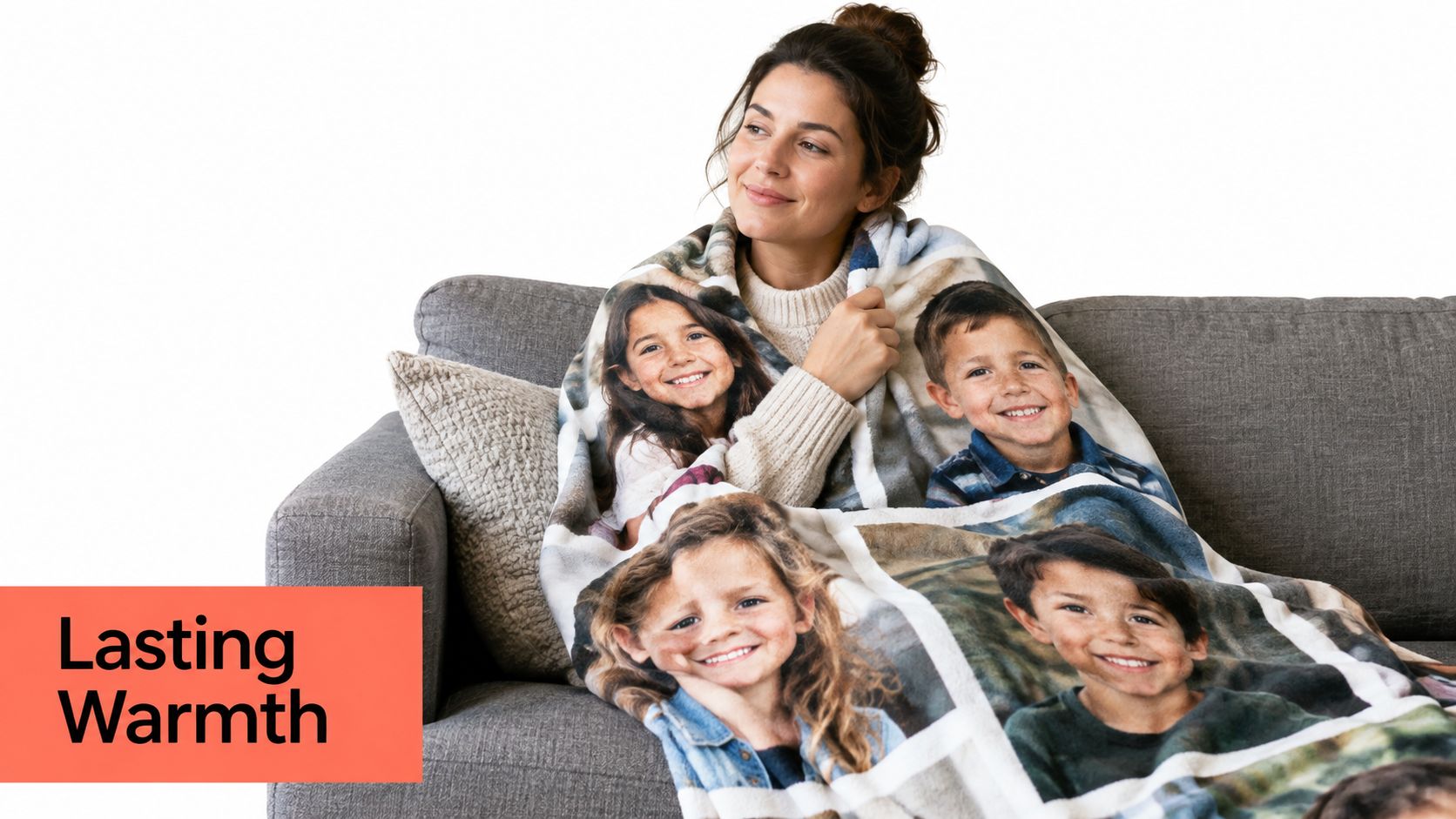
A mug can hold a favorite drink, and a pillow can add color to a sofa. A photo on throw blanket surrounds the user with a memory while also providing warmth and texture. That combination gives the gift a more active role in everyday life. Someone might use it on a couch, a reading chair, a nursery rocker, or at the foot of a bed instead of putting it away after opening it.
Comfort and memory work together
The emotional value comes from repetition. Each time the recipient reaches for the blanket, the photographs appear as part of a familiar moment. A grandparent might see several grandchildren during an afternoon nap. A couple might use a travel photo blanket during weekend movie nights. A parent might keep a baby-themed throw near a nursery chair.
The product also belongs to a wider personalized gifting market that has expanded sharply. One market estimate places the photo blanket category at about $0.8 billion in 2025, with projected growth to $1.4 billion by 2033, representing a projected 7.5% CAGR over that period. Those figures are reported in the custom blanket market overview, and they help explain why photo throws have moved beyond novelty gifting.
The practical decisions matter because a blanket is handled, folded, washed, and exposed to light. A design that looks excellent in a product preview can feel disappointing if faces sit too close to a stitched edge, a dark image loses shadow detail, or a delicate surface doesn't suit frequent use.
Practical rule: Choose the blanket as both a keepsake and a household textile. The best photo is only one part of a successful order.
Before you upload anything, think about five connected choices: size, material, layout, image preparation, and care. A good match across all five creates the cozy first impression you want and gives the printed surface a better chance of staying attractive months later.
What a Photo on Throw Blanket Is and How Sizes Work
A throw blanket is a personal or accent-sized blanket, not a fitted bed cover. Common options include a 50 by 60 inch throw and a 60 by 80 inch larger blanket. The first size usually works across one person's lap or a single lounge chair, while the larger format offers more coverage for a sofa or a person who wants to wrap up fully.
The right size starts with the recipient's habits. A blanket for a recliner doesn't need to cover a mattress. A nursery throw may be chosen mainly as a decorative layer, while a dorm room blanket may need enough surface area to become a visible statement piece.
Match the size to the room
Use the following starting points:
- Recliner or reading chair: A 50 by 60 inch throw is easy to fold over an armrest and broad enough for lap warmth.
- Sofa accent: A 50 by 60 inch blanket can drape across the back or seat without taking over the furniture.
- Dorm or apartment: A 60 by 80 inch option gives a bed or sofa more visual presence and leaves room for a larger composition.
- Nursery corner: Choose the size according to whether the blanket is for supervised cuddling, a chair accent, or display. Keep infant sleep-safety guidance separate from decorative use.
Size also changes how photographs behave. A smaller canvas suits one or two strong hero images, especially when the recipient should immediately recognize a face. A larger throw gives a collage more breathing room and can accommodate a wider story, such as family portraits from different occasions.
A throw shouldn't be confused with a twin or queen blanket. Twin, queen, and oversized formats are intended to cover more of a bed, whereas a throw is designed for personal use, decoration, or a smaller seating area. If the recipient wants a bed layer, measure the mattress and compare the blanket dimensions with the desired drop over each side.
Consider the visual area
A photo collage can look crowded when too many images compete within a small design. Conversely, a single portrait can feel lost on a very large surface if it isn't scaled or positioned carefully. Ask what the recipient will see first, a face at close range from a chair, or a complete design viewed across a room.
The mailing and storage question matters, too. A compact throw is easy to fold, wrap, and carry as a gift. A larger size creates a more dramatic opening moment but needs more room in the recipient's home.
Material and Print Quality Options Compared
Fabric changes the image before printing chemistry even enters the picture. A smooth surface can preserve small details more clearly, while a plush or fuzzy surface softens the edges of fine features. The best material depends on whether the blanket will be hugged, washed often, displayed, or used mainly for warmth.
| Material | Feel and appearance | Suitable use |
|---|---|---|
| Minky | Plush, soft, and slightly stretchy | Nursery comfort, sentimental gifts, and lap use |
| Plush fleece | Familiar, soft, and practical | Everyday sofa use, dorm rooms, and pet-friendly spaces |
| Sherpa | Warm with a cozy back layer | Cold climates and winter lounging |
| Woven cotton or knit | More decorative and tapestry-like | Wall-leaning display, reading chairs, and home decor |
Minky is a natural choice when softness carries emotional weight. It works well for a newborn-themed gift or a blanket for a sentimental adult who'll keep it close. The slight stretch and plush surface can make the design feel gentle, although very small details may appear less crisp than they would on a smoother textile.
Plush fleece is the practical all-rounder. It feels familiar, handles regular household use well, and can suit a sofa where people reach for the blanket every day. It's also a sensible choice for a dorm room or pet-friendly home, where the item needs to function as comfort rather than delicate display.
Sherpa adds warmth through its thicker, cozy reverse side. That extra texture can slightly soften the perceived sharpness of the photo on the front, so choose a design with clear faces, strong contrast, and uncomplicated backgrounds. For someone in a cold climate, the warmth trade-off may be worthwhile.
Woven cotton and knit styles create a more decorative result. Woven threads can give the image a tapestry character and may preserve pixel detail more crisply, but they won't feel as cloud-soft as minky or fleece. They're a better fit for a blanket that will lean across a chair or contribute to a room's visual style.
For a visual starting point, browse the print blanket superstars collection to see how personalized imagery can be adapted to a textile gift. For a deeper comparison of surface feel and construction, the custom blanket materials guide can help you compare fleece, sherpa, and woven options.
Simple pick rule: Choose minky for a child or sentimental adult, plush fleece for everyday durability, a sherpa back for extra warmth, and woven fabric for a wall-leaning display.
Print chemistry should match the base material. Dye-sublimation is commonly associated with polyester and poly-blend surfaces, while woven cotton designs rely on the image being formed through colored threads or a textile-compatible process. Ask the maker how the design is printed and whether the preview represents the final fabric texture.
Design and Layout Choices for Your Photo
The layout determines how a viewer reads the blanket. A single image creates an immediate focal point, while a collage turns the surface into a sequence of memories. The best choice depends on the recipient, the photo set, and how close the blanket will be viewed.
Five layouts that solve different problems
- Collage grid: Use four to eight evenly lit portraits or related moments. This works well for grandparents, family milestones, and a baby's first-year story because each panel has a clear role. The smaller image areas can also be more forgiving than one enlarged photo, but faces still need to be sharp.
- All-over single image: Stretch one photograph from edge to edge for a cinematic effect. Horizontal horizons, a wedding scene, a favorite travel view, or a clearly composed family portrait can work well. The trade-off is exposure. Any blur, awkward crop, or distracting background becomes part of the entire blanket.
- Text-integrated design: Add a name, date, short phrase, or place to an image. Choose a high-contrast photograph with uncluttered negative space so the lettering remains readable. Keep text away from areas where folds or stitched borders are likely to interrupt it.
- Monogram-and-photo hybrid: Place one main picture beside or beneath initials. This suits an anniversary gift, wedding keepsake, or personalized family room accent. Use a portrait with a distinct subject rather than a busy group scene.
- Themed design: Build the composition around a holiday, pet, travel memory, or nursery idea. A dog's favorite outdoor photos need a different visual treatment from a Christmas morning collage. Keep the theme supportive, not so busy that it competes with the people or animals in the photographs.
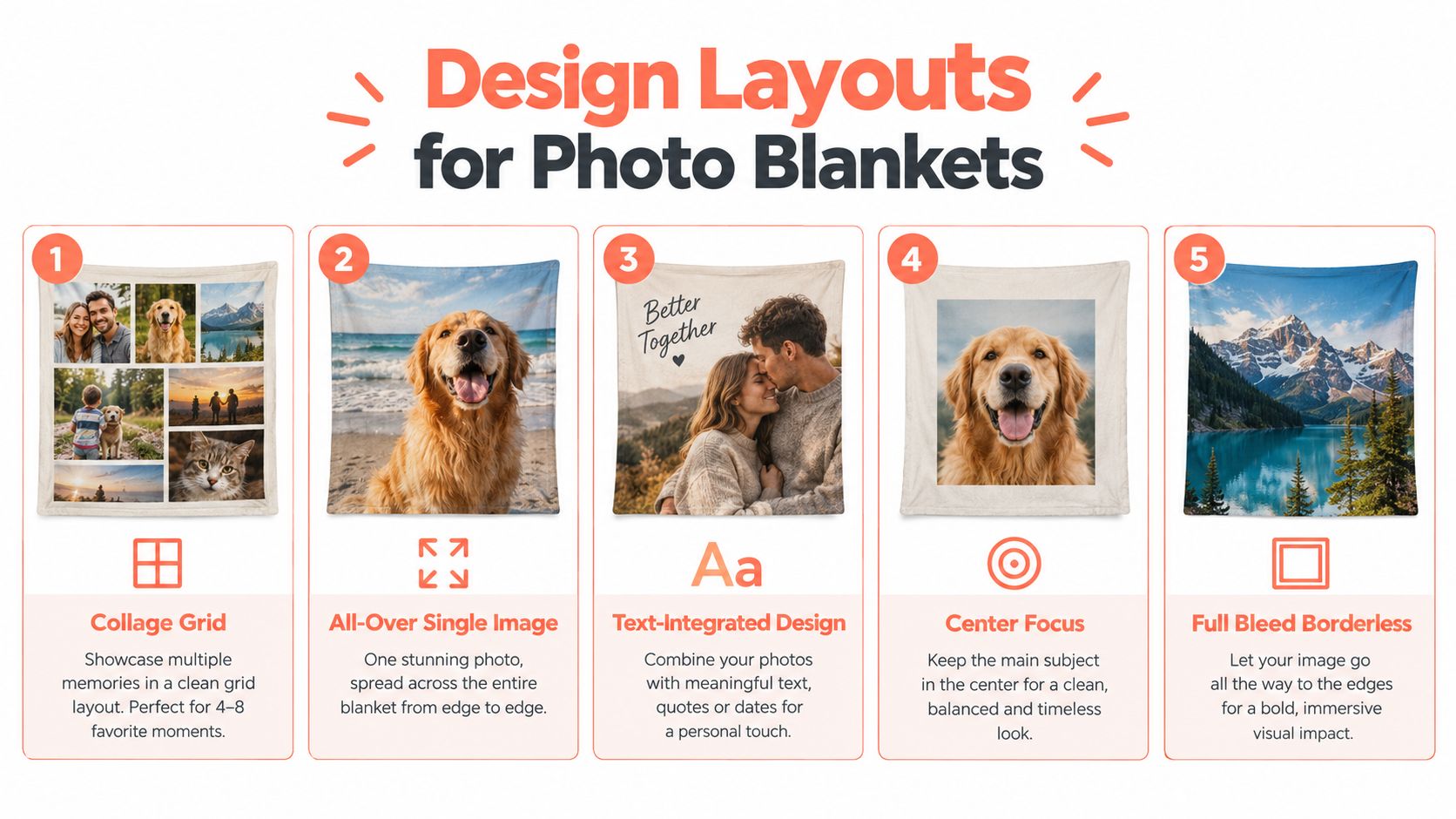
A couple celebrating an anniversary might prefer an all-over image from a meaningful trip, with a small date placed in open space. For a baby's first year, a collage gives each milestone its own panel and lets the recipient scan the story from one corner to the other.
Protect the focal point
Look at the design as a folded blanket, not only as a flat file. A face placed near an edge may disappear over the sofa arm. Important eyes, names, and dates should sit comfortably inside the design's safe area. Ask whether the recipient will usually see the blanket spread out or bunched up, because an intricate design needs a flatter display to be fully appreciated.
A useful test is to reduce the image on your screen until it resembles the blanket at room distance. If the face, name, or main subject stops reading clearly, simplify the design. Fewer elements often create a more elegant result.
Preparing Your Photo for a Clean Print
A photo that looks crisp in your phone gallery can look soft on a blanket. The difference comes from scale, fiber texture, and the way textile ink settles into the material. Prepare the file for the finished throw, and you can predict its result more reliably before ordering.
Check resolution at finished size
Start with the blanket's final dimensions, then check whether the image contains enough detail to cover that area. Print guidance recommends about 150 DPI for a photo blanket, with more source resolution preferred for larger designs. A 50 by 60 inch blanket would ideally use a file around 7,500 by 9,000 pixels, as explained in our best photo resolution for printing guide and this independent photo blanket resolution guide.
That file is much larger than the image preview on a phone. DPI describes print density, while a phone's megapixel label describes the camera's capture size. Check the file's real pixel dimensions instead. A screenshot, compressed social-media download, or small cropped portrait may look clear on a screen but reveal grain after enlargement.
Crop for fabric, not just for the screen
A blanket may use a different aspect ratio from the original camera image. Crop around the subject before uploading, and leave faces, hands, text, and other important details away from the stitched perimeter. A child's face placed near the top edge can feel cramped once the border or finishing seam reaches it.
Fabric also changes how brightness appears. Plush fibers scatter and absorb light differently from glossy paper, so dark photographs can lose shadow detail and look muddy. Raise exposure gently, add contrast only where the image needs it, and judge the faces rather than the brightest background. The print surface acts more like a soft screen than a smooth photo page, so fine details need clear separation to remain readable.
Before you upload, ask: Are the eyes sharp, are skin tones visible, and can the main subject still be understood without zooming in?
Use sRGB for standard uploads unless the printer requests another color profile. Heavy social-media filters can push skin tones and shadows too far. AI upscaling may enlarge a file, but it can also create halos, repeated textures, or artificial facial detail that becomes noticeable in the fabric print.
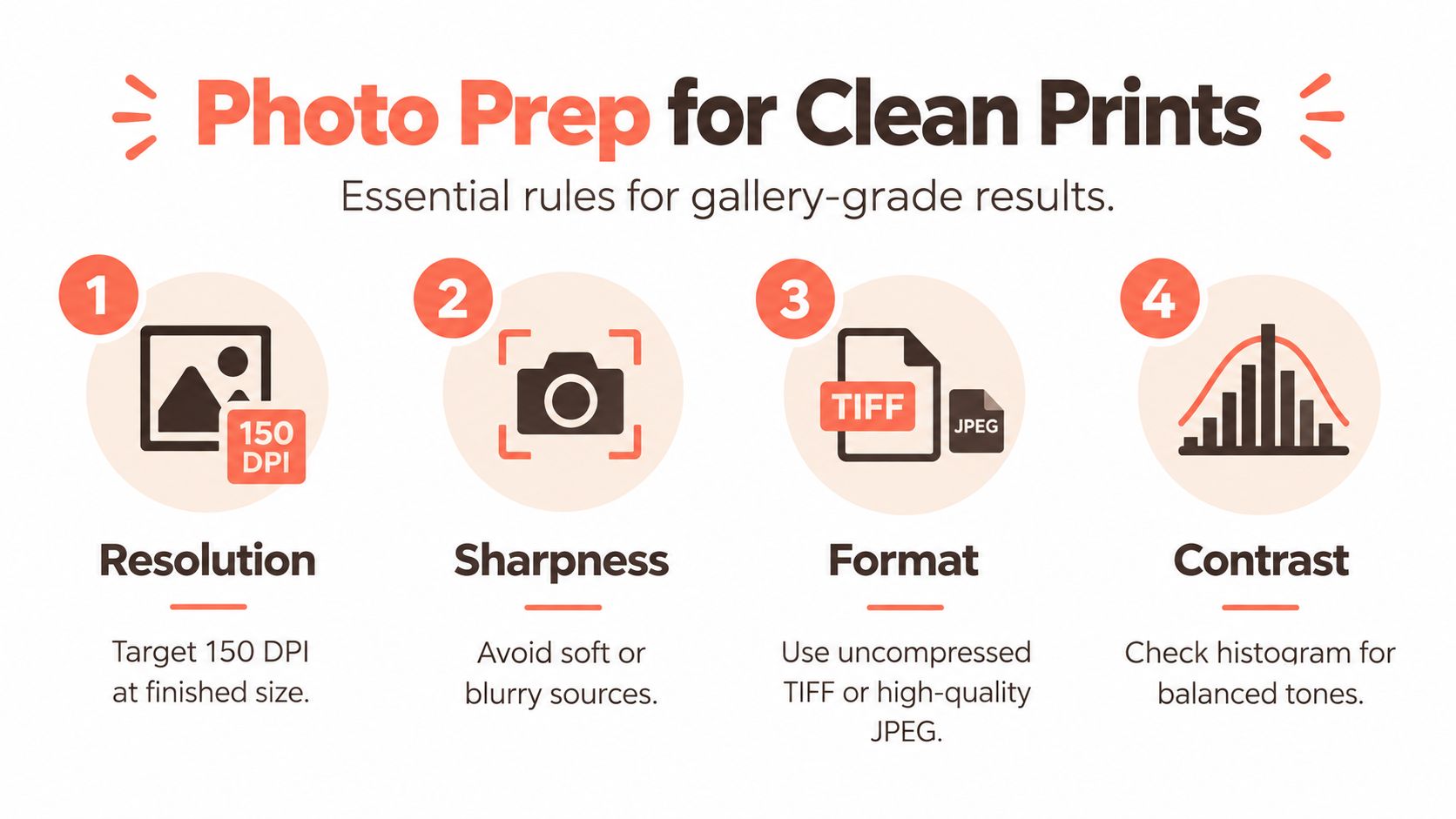
Use a simple pre-upload check
- Resolution: Confirm that the file suits the finished print size, using about 150 DPI as the target.
- Sharpness: Inspect eyes, hair, and fine edges at full size.
- Exposure: Open dark areas enough to reveal faces without washing out highlights.
- Composition: Keep the focal point away from seams and likely fold lines.
- File quality: Save as PNG or a high-quality JPEG, and avoid repeated exports that add compression artifacts.
The short video below provides a final visual check before you commit the image to a large print.
Care Habits That Keep the Print Looking New
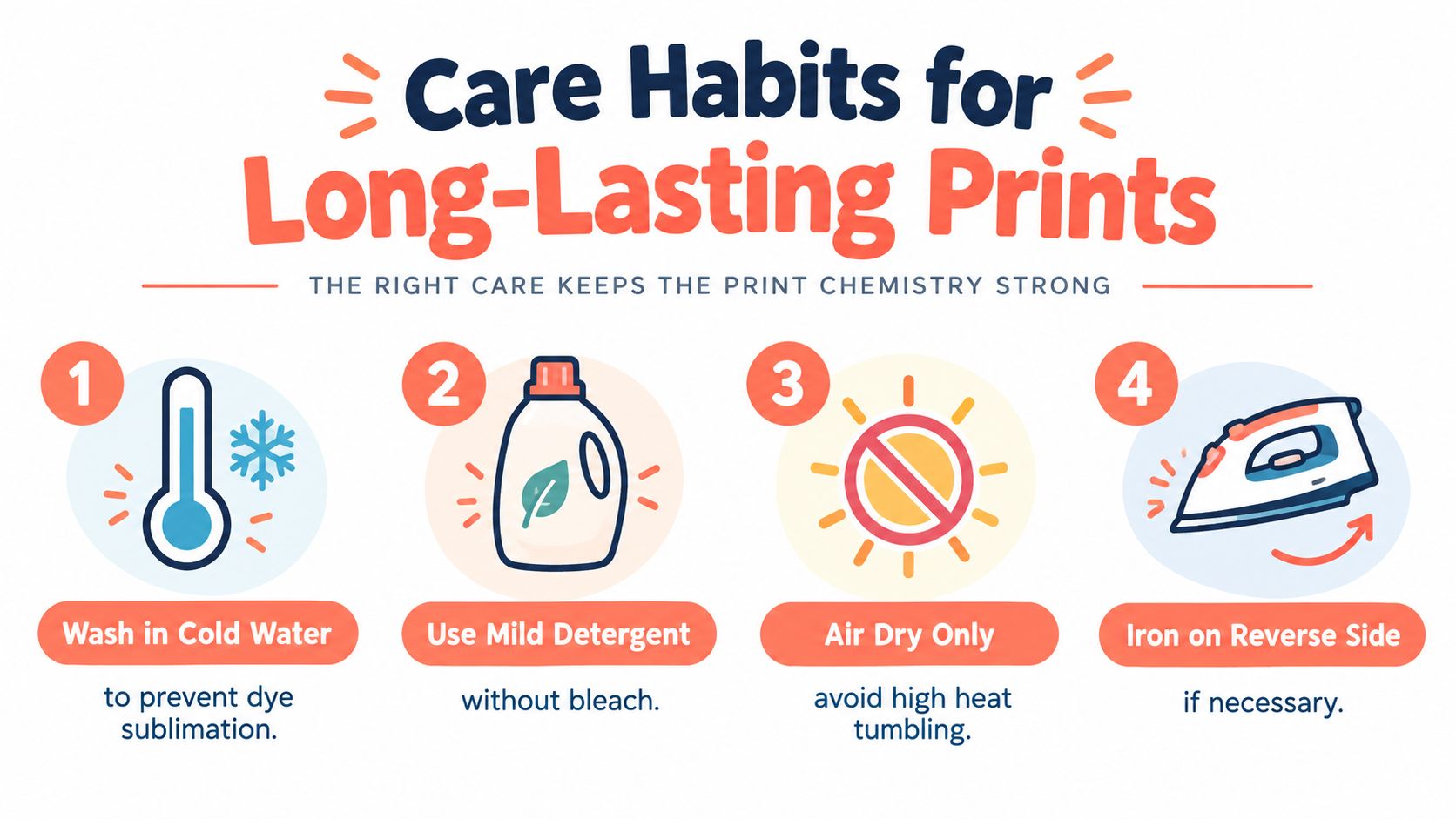
A printed blanket's lifespan depends on the bond between ink and fiber, not on whether the blanket is thick. Fully cured ink films withstand more wash cycles, while high heat, harsh detergent, and rough treatment can accelerate fading, loss of detail, and discoloration. Textile washfastness guidance recommends gentle washing around 40°C and detergents without optical brighteners, as described in this textile washfastness resource.
Start by reading the maker's care label. For many printed plush fabrics, a gentle cycle with cool or lukewarm water is the safer choice. Mild liquid detergent helps avoid the abrasive effect of stronger formulas, and bleach should stay away from the image.
Protect the printed surface
Fabric softener can leave a coating that changes the feel of the fibers and may interfere with the intended finish. High dryer heat puts extra stress on both the textile and the print, so choose a low tumble setting when the care label permits it, or air-dry the blanket flat.
Don't iron directly over the photograph. If the blanket needs smoothing, use the reverse side only when the care instructions allow it. Dry cleaning is also unsuitable for many washable printed blankets, so the label should decide rather than guesswork.
Storage matters between uses
Direct sunlight can fade textile colors over time. Keep a stored blanket away from strong windows, radiators, and damp areas. Fold it loosely, and consider placing tissue between deep folds if the blanket will remain packed away for a long period.
A frequently used throw won't look exactly like a new product forever. Regular handling changes the surface, and repeated washing can gradually soften color. Consistent care can slow that process, preserve detail, and help the blanket remain a useful keepsake rather than a decorative item that must be protected from use.
Care habit that matters most: Wash gently, use mild detergent, avoid direct heat on the image, and let the fabric's care label guide every exception.
Gifting Moments Worth Planning Around
November and December are the main holiday season for a photo on throw blanket. A parent opening a blanket printed with grandchildren's faces on Christmas morning receives more than a warm item. The familiar expressions become part of an object they can use during winter evenings, so the photo's clarity and layout matter as much as the blanket's softness.
A winter cabin throw suits a friend who has moved into a new home. A couple might exchange a blanket built around a favorite travel photo during a New Year's Eve gathering. For cold-weather gifts, fleece or sherpa adds comfort, while a woven surface may suit someone who wants the image to function more like home decor. Check production and shipping windows before promising a delivery date.
Holiday shopping often happens late. The holiday shopping timing report says 49% of U.S. holiday shoppers do all or most of their holiday shopping in December, and 9 in 10 buy at least some gifts during that month. The NRF holiday spending forecast projected November and December spending growth of 2.5% to 3.5%, reaching $979.5 billion to $989 billion. These patterns make early photo selection useful. A high-resolution image gives the design tool more information to preserve faces, while fabric texture and print chemistry still influence how fine details appear on the finished throw.
Build the spring gifting calendar
April and May work well for Mother's Day planning. A mother might receive a blanket made from toddler photographs, while a grandmother could open one featuring grandchildren's school portraits. The National Retail Federation Mother's Day survey reported that 84% of U.S. adults planned to celebrate, with average spending of $254.04 per celebrating shopper and total spending projected at $33.5 billion.
Graduation creates another spring opportunity. A graduate can take a campus-themed throw to a first apartment, especially when the design combines a portrait with a meaningful school or activity image. Allow time for photo selection, design approval, production, shipping, and gift-wrap preparation.
Other occasions fit naturally:
- Father's Day: Use family, pet, fishing, travel, or workshop photographs for a mid-June gift.
- Housewarming: Choose a neutral woven design or a sofa-sized throw that matches the recipient's room.
- Pet memorial: Select a clear portrait with uncluttered surroundings, giving the animal visual focus.
- Baby shower: Use a nursery theme or family photograph, keeping supervised cuddling and decorative use in mind.
Our ultimate gift guide on when to give a photo blanket covers the wider occasion calendar, and the photo blanket gifting guide describes photo blankets as memory-based keepsakes suited to holidays, baby showers, grandparent gifts, and memorials.
For shoppers comparing personalized options, a guide to find custom metal signs for her offers another housewarming or seasonal direction. A blanket fits better when the gift should be soft, usable, and closely connected to a photograph.
Bringing Your Photo on Throw Blanket Together
The ordering decision becomes simpler when you make each choice in the same order the recipient will experience it. Start with habits, then fit, then image design. A soft blanket for a daily sofa user needs a different balance from a decorative woven keepsake for a reading chair.
Suppose you're preparing a Mother's Day gift. First, choose a 50 by 60 inch throw if your mother uses a recliner or sofa and you want an easy personal layer. Next, select a fleece or minky surface based on whether daily durability or plush softness matters more. Finally, choose a collage if you have several childhood photographs, or an all-over layout if one portrait carries the strongest memory.
Before checkout, inspect the preview at full size. Look for faces close to seams, text over busy backgrounds, and crops that remove hands or important objects. A tool such as modern canvas prints can also offer inspiration for how a photograph's composition changes when it moves from a small screen into a home decor format.
Your ordering checklist
- Check resolution: Confirm that the chosen file can support about 150 DPI or higher at the target print size.
- Choose the surface: Pick fleece or minky when softness is central to the gift.
- Select the layout: Use an all-over design with one hero photo for a simple sofa throw.
- Review the crop: Keep eyes, names, and dates away from edges and likely fold lines.
- Inspect brightness: Make sure faces have visible detail and shadows aren't muddy.
- Confirm care: Plan to wash cold or gently, use mild detergent, and tumble low when permitted.
- Plan delivery: Order at least two weeks before the gifting date to leave room for production and shipping.
For a holiday order, begin the photo selection before the November and December rush. For Mother's Day, use April and May as your planning window rather than waiting until the final days before the celebration.
That Blanket Co offers custom photo blankets in throw, twin, and queen sizes, with collage, all-over photo, text, monogram, nursery, and other themed designs. Its customization process lets shoppers upload images and review the design before ordering, which makes it suitable for turning this checklist into a finished personalized gift.
You now have a practical way to predict the result: match the material to the recipient's use, match the size to the room, match the layout to the photographs, prepare the file for fabric, and care for the print gently.
That Blanket Co can help you turn a favorite photograph or family collage into a personalized throw with selectable sizes, layouts, and soft machine-washable fabrics. Visit That Blanket Co to upload your image, review the design, and start creating a photo blanket for the next meaningful gifting moment.